


Confidence you can hear.
Singing lessons for kids and teens — healthy technique, real encouragement, and a coach who knows how to connect with young singers.
Lessons that meet you where you are
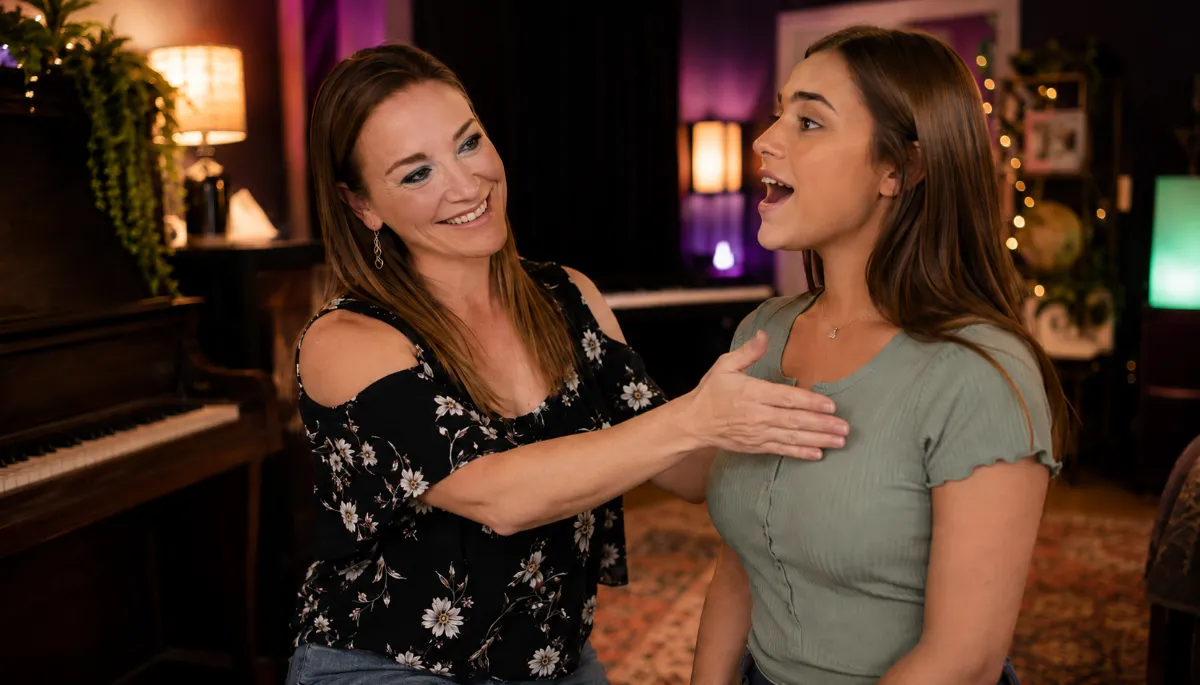
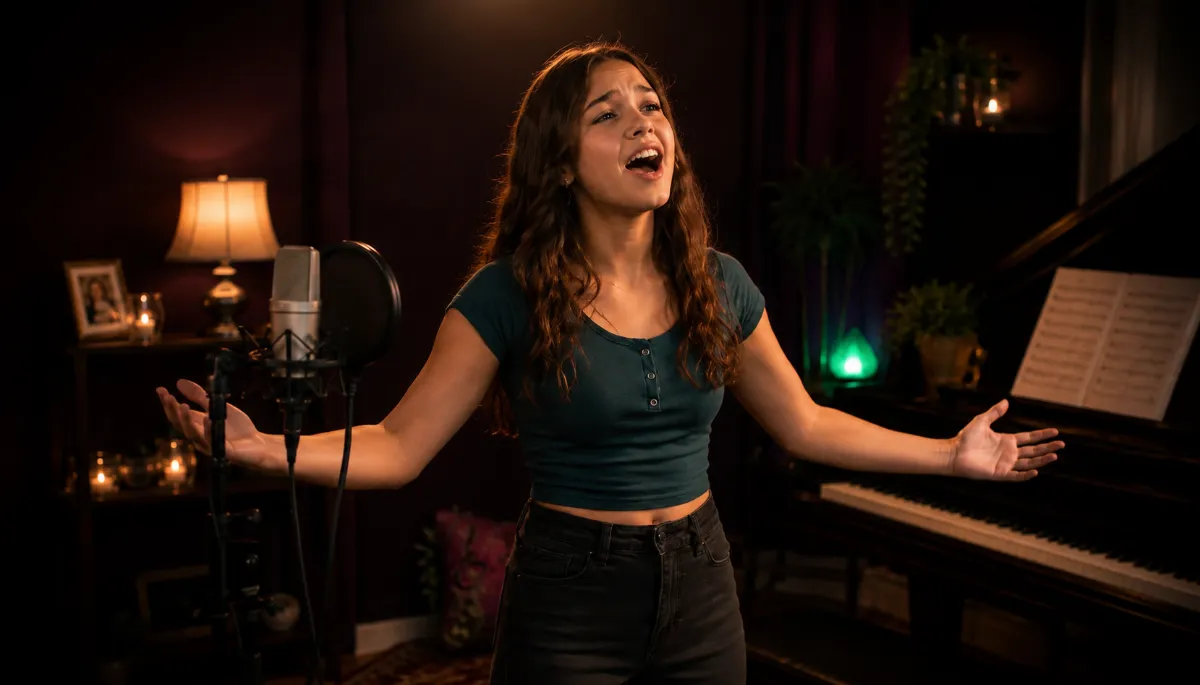
Kids don't just learn to sing here — they learn to like their own voice. Lessons are fun, structured, and age-tuned: younger students (from 11) build pitch, breath, and healthy habits through songs they love; teens go deeper into technique, style, and performance.
Parents usually notice the change before they hear it: a kid who can't wait for lesson day, sings around the house again, and starts to like their own voice. Young voices are still developing, so everything we do protects the instrument — no strain, no pushing, just healthy growth a kid can be proud of.
What a kids' voice lesson actually looks like
An eleven-year-old and a seventeen-year-old need completely different lessons — so they get them. Every age gets the same foundation (breath, pitch, healthy habits) delivered the way that age actually learns:
Ages 11–13: technique takes shape
At eleven, students are ready for the why: how breath actually works, what the soft palate does, how to practice at home. This is where solid habits get built — and where school choir, talent shows, and first musical auditions start showing up. Lessons balance skill-building with keeping the joy front and center.
Teens: style, artistry & auditions
Teen lessons look a lot like adult lessons with extra care for a changing instrument: real repertoire, style work in the music they love, audition preparation for school productions, and honest coaching that treats them like the artists they're becoming.

Healthy technique for growing voices
A child's vocal folds are still developing, which is why our first rule of kids' vocal training is do no harm: no belting contests, no pushing for volume, no straining for notes a young voice isn't ready to own. Kids learn breath-first singing — the same diaphragm-first foundation adults learn — because a supported voice never needs to force.
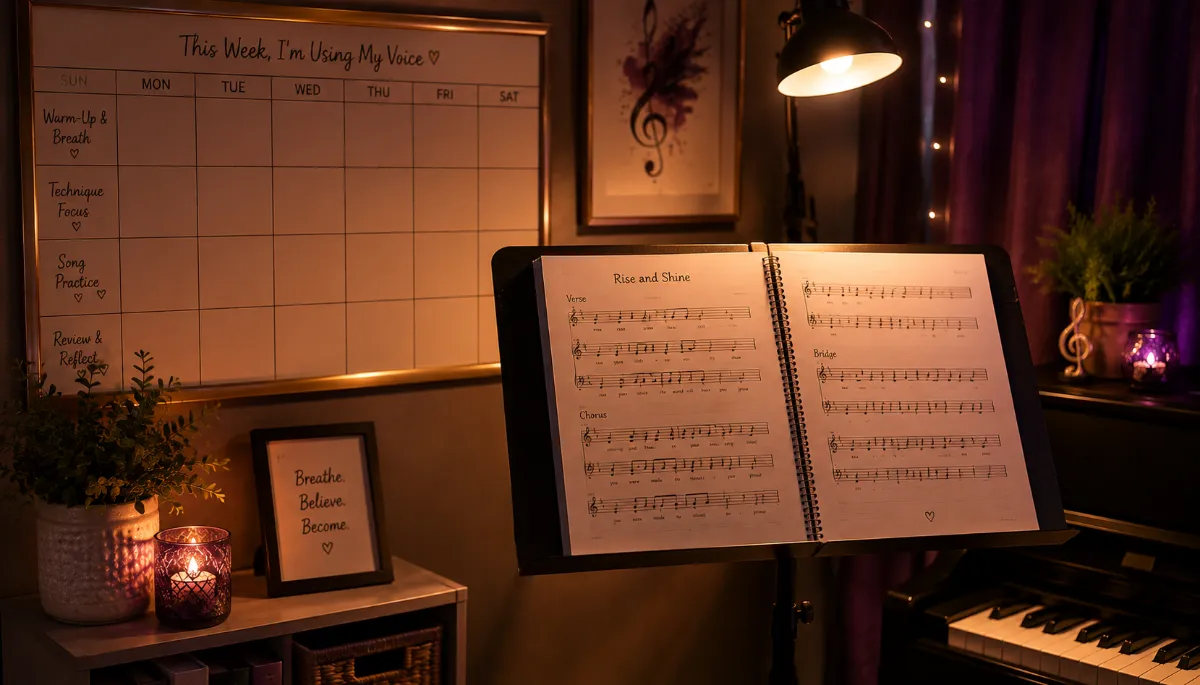
The habits matter more than any single song: warming up before singing hard, drinking water, resting a tired voice, and never "singing through" pain or hoarseness. A kid who learns those rules at eleven owns a healthy instrument for life.
Coaching through the teenage voice change
For many teens — especially boys — the voice change is where singing quietly dies: cracks are embarrassing, the notes move weekly, and most quit. It's also completely navigable with the right coaching. We adjust keys, lighten the load, keep technique building through the transition, and treat cracks as physics rather than failure. Students who sing through the change come out the other side with a bigger, steadier voice — and the confidence of never having stopped.

Confidence is the real curriculum
Ask parents what changed after a few months of lessons and singing is rarely the first thing they mention. It's the hand that goes up in class. The school performance they didn't back out of. The kid who used to whisper "I can't sing" belting the car radio without a flicker of self-consciousness.
That's by design. Every lesson hands a young singer a small, real win — a note they couldn't reach last week, a song performed all the way through — and stacks those wins until being heard feels normal. "Every voice is unique and deserves to be heard" isn't a slogan here; it's the actual lesson plan. For shy kids especially, a private lesson is the perfect first stage: an audience of one, who's rooting for them.

School musicals, choir & first auditions
When the school musical is announced, prepared kids walk in calm. We handle the whole arc: choosing an audition song that fits their voice and the show, practicing the cut until it's automatic, character and stage-presence work so they perform instead of just singing, and honest mock auditions so the real room isn't the first room.
For choir kids, lessons are the multiplier — private breath and pitch work makes section leaders. And when a student lands a role, the lessons shift to the show itself: learning the material, pacing the voice through rehearsal season, and showing up opening night with a healthy instrument. Josie's students audition across Reno and Carson City school and community productions — and they get cast.

What parents want to know
What should my child bring?
A song they love and a water bottle. No experience needed and nothing to practice first: the first lesson finds where their voice is today and builds from there.
What if we miss a week?
Life happens. Call or text and we'll find a new time; rescheduling is easy, and the plan picks up where it left off.
How much should they practice?
Little and often beats marathon sessions: 10–15 minutes most days to start, more as they grow. We keep practice specific and fun — kids who know exactly what to work on actually do it.

Built into every lesson


Common questions
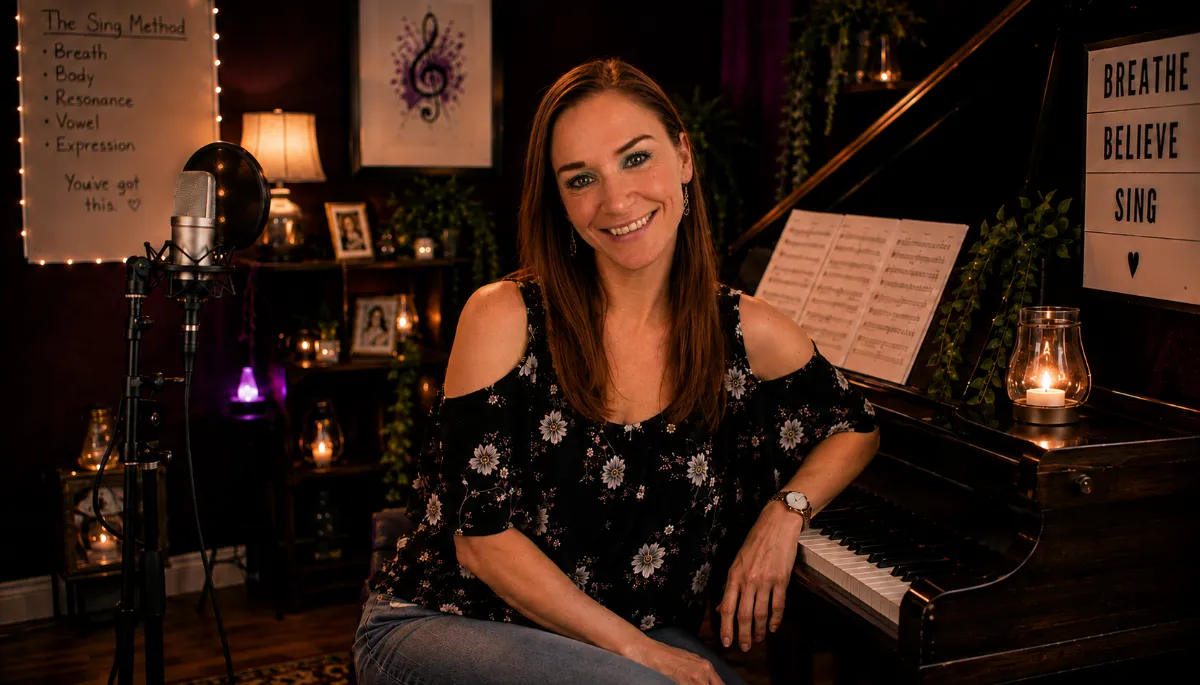
Josie teaches students from age 11 up. By eleven, kids can focus for a full lesson and practice between lessons. If your child sings around the house and loves it, they're ready.
Yes — when they're taught right. Kids here learn breath-supported singing with zero straining or belting contests. Protecting the developing instrument is rule one.
The opposite — the voice change is when coaching helps most. We adjust keys and repertoire through the transition so technique keeps building and confidence never breaks.
Very much — song selection, character work, and mock auditions are a specialty here. Prepared kids walk into the audition room calm.
Parents are always welcome. We'll find the setup that helps your child sing most freely — some kids thrive with a parent nearby, others open up one-on-one.
Little habits that change how you sing
Six things from Josie's studio you can try today, before your first lesson or between lessons.